Basic Knowledge of Bottle Blowing Machine
The bottle blowing machine is widely used in modern manufacturing, as most plastic bottles in daily life are produced with this essential equipment. For manufacturers and operators, understanding the fundamentals of a bottle blowing machine helps improve production efficiency, reduce failures, and extend service life. Whether you run a small-scale production line or a large packaging factory, mastering the basic knowledge of the bottle blowing machine is key to stable and efficient bottle production.
What Is a Bottle Blowing Machine
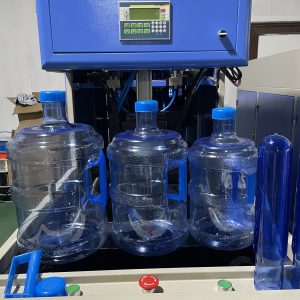
A bottle blowing machine is a professional device used to form plastic bottles from preforms. In simple terms, it heats and softens plastic preforms, then uses high-pressure air to stretch and shape them into finished bottles. This process combines mechanical structure, pneumatic control, and temperature regulation. The bottle blowing machine has become indispensable in industries such as beverage, food, cosmetics, and daily chemicals. Without a reliable bottle blowing machine, mass production of standard plastic containers would be extremely difficult.
Key Technologies of a High-Quality Bottle Blowing Machine
Oil-Free Airbag Clamping Technology
Modern high-performance bottle blowing machine models use advanced oil-free airbag clamping technology. Unlike traditional hydraulic clamping systems, this technology requires no lubricating oil, which reduces energy consumption and lowers production costs. More importantly, an oil-free structure prevents contamination, making the bottle blowing machine suitable for food-grade and hygienic production environments.
The airbag clamping system provides strong clamping force, excellent sealing, and low running resistance. These advantages reduce mechanical wear and ensure the bottle blowing machine runs smoothly for a long time. As a result, machines with this technology have a longer service life than standard models.
Development History of Blow Molding Technology
Blow molding technology, the core process of a bottle blowing machine, dates back to World War II. At that time, low-density polyethylene was used to produce small plastic bottles. Although the early process was simple and rough, it marked the beginning of blow molding applications.
In the late 1950s, the emergence of high-density polyethylene boosted the rapid development of the bottle blowing machine. Improved materials and better forming performance helped the technology spread worldwide. Today, the bottle blowing machine supports high-speed, high-precision, and fully automated production for various bottle shapes and capacities.
Working Process of a Bottle Blowing Machine
1.Preform Heating
The first step in a bottle blowing machine is preform heating. The machine heats the body of the preform evenly to soften the material for stretching. The neck of the preform is not heated to maintain its shape and sealing performance.
2.Stretch and Blow Forming
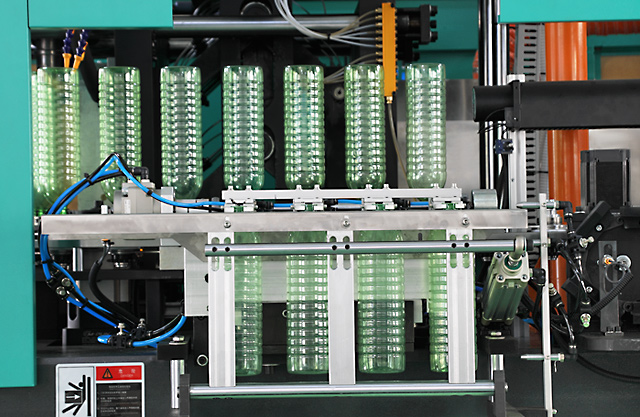
After heating, the preform is transferred into a mold. The bottle blowing machine injects high-pressure air to stretch the preform and press it against the mold wall. Once cooled and fixed, the finished plastic bottle is formed.
Types of Bottle Blowing Machine
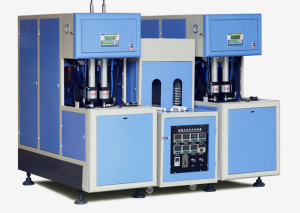
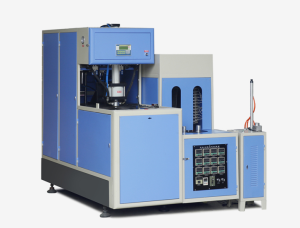
According to automation levels, the bottle blowing machine mainly includes semi-automatic and fully automatic models. Semi-automatic models are flexible and cost-effective for small-batch production. Fully automatic machines provide higher efficiency and lower labor costs for large-scale manufacturing. Choosing the right bottle blowing machine helps factories optimize productivity and reduce overall costs.