Bottle Deformation Faults of Bottle Blowing Machine: Causes, Solutions
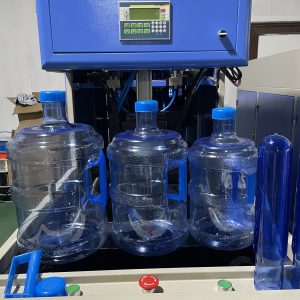
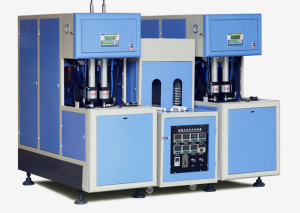
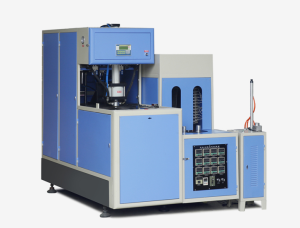
Bottle blowing machine bottle deformation causes and solutions are key to solving production faults, as deformation is one of the most frequent issues in automatic and PET bottle blowing machine production, reducing qualification rates and increasing costs.It not only reduces the product qualification rate, increases raw material loss, but also affects production efficiency and increases production costs. In severe cases, it can lead to production line shutdown. The occurrence of bottle deformation in bottle blowing machines is mainly related to three core factors: improper control of process parameters, wear and deviation of mechanical components, and substandard characteristics of PET preform materials. Different parts of deformation faults have obvious differences in their manifestations, core causes and solutions. Combined with actual production scenarios, this article details and improves various types of deformation problems, supplements implementable investigation plans, and embeds high-frequency industry SEO long-tail keywords to help independent station indexing and ranking improvement. Both Chinese and English versions can be directly copied and pasted for use.Understanding bottle blowing machine bottle deformation causes and solutions is critical for maintaining high production yield and reducing waste in plastic bottle manufacturing.
Bottle Mouth Deformation – Bottle Blowing Machine Deformation Fault
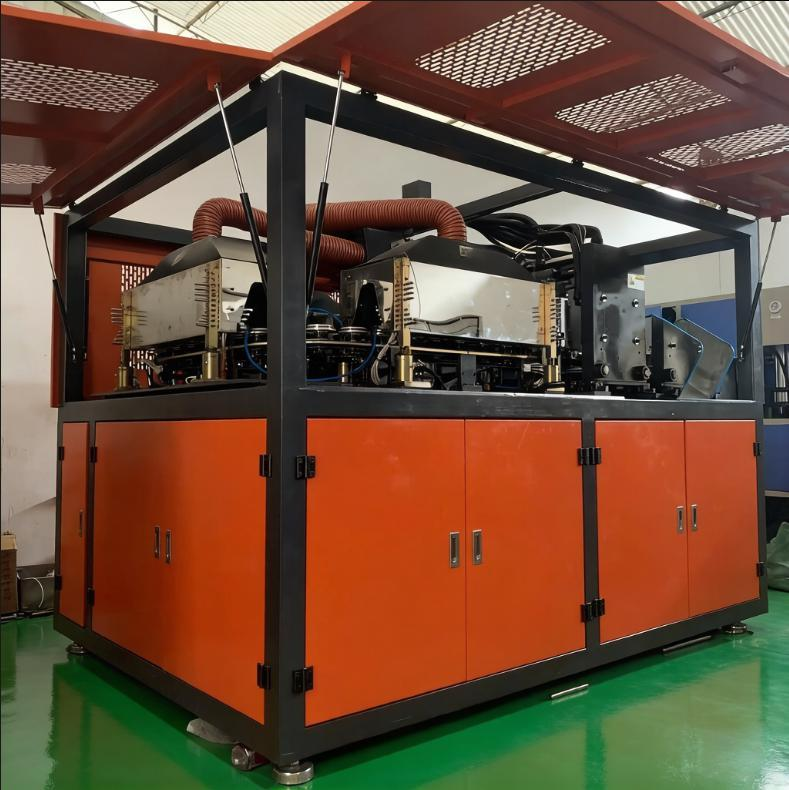
Bottle mouth deformation is the most common fault in the production of automatic bottle blowing machines and PET bottle blowing machines, which is often seen in food and beverage, edible oil and other packaging production lines. It is mainly manifested as bottle mouth expansion, irregular bottle mouth shape and uneven edge of the bottle mouth, which directly affects the sealing effect of the bottle cap, leads to bottle leakage, and cannot meet the food-grade packaging standards such as FDA and ISO. The core reason is that the temperature transfer of the conveyor chain is uneven during the heating process of PET preforms, resulting in inconsistent thermal expansion of the bottle mouth area. Especially at the junction of the preform neck and the bottle mouth, local overheating or insufficient heating will cause deformation. In addition, the excessive or slow speed of the conveyor chain of the automatic bottle blowing machine will lead to uneven residence time of the preform in the heating furnace, which further aggravates the deformation of the bottle mouth. Inferior PET preforms (uneven wall thickness of the bottle mouth and insufficient raw material crystallinity) will also increase the probability of bottle mouth deformation and affect the production stability of the bottle blowing machine.
Solutions: 1. Check and adjust the temperature of the conveyor chain of the heating furnace of the automatic bottle blowing machine, detect the temperature of the bottle mouth area with an infrared thermometer, control the temperature difference within ±2℃ to ensure uniform temperature. 2. Adapt to the specifications of PET preforms, adjust the speed of the conveyor chain to avoid too long or too short residence time of the preforms. 3. Select qualified food-grade PET preforms and eliminate preforms with uneven wall thickness and insufficient crystallinity from entering the production line. 4. Regularly clean the reflectors and lamp tubes of the heating furnace of the bottle blowing machine to avoid dust covering affecting the uniformity of heating, indirectly reduce the deformation of the bottle mouth, and improve the production qualification rate of the bottle blowing machine.
Bottle Bottom Deformation – Bottle Blowing Machine Deformation Fault
Bottle bottom deformation is mainly manifested as concave, convex and uneven thickness of the bottle bottom, which is common in the production of 5L edible oil bottles and 1.5L beverage bottles. It affects the standing stability of the bottle, is not conducive to subsequent packaging, storage and transportation, and is one of the key faults restricting the production efficiency of the bottle blowing machine. The core incentives for such deformation are concentrated in three aspects: bottom mold temperature, blowing system and preform heating. The specific fault types and solutions are as follows:
1. Excessively high oil temperature of the bottom mold: The bottom mold is the core component for the bottle bottom forming of the bottle blowing machine, and its temperature directly determines the effect of bottle bottom forming. If the oil temperature of the bottom mold is too high, it will cause excessive heating and uneven softening of the PET material at the bottom of the bottle, resulting in deformation, which is mostly manifested as convex bottle bottom and irregular edges. Solution: Immediately reduce the oil temperature of the hot oil machine of the bottle blowing machine, adjust the bottom mold temperature to 80-100℃ (adapt according to the bottle type and PET material characteristics), and check the oil temperature control system to ensure stable temperature, avoid fluctuations, and ensure the stable operation of the bottle blowing machine.
2. Failure of the bottom mold blowing valve: The blowing valve is responsible for delivering uniform high-pressure gas to the bottom mold. If the bottom mold blowing valve of the bottle blowing machine is blocked, leaked or the valve core is stuck, it will lead to uneven blowing of the bottom mold. The bottom of the bottle cannot obtain stable gas support, resulting in concave or uneven thickness deformation. Solution: Disassemble and inspect the bottom mold blowing valve of the bottle blowing machine, clean the impurities and blockages in the valve. If the seal is worn or the valve core is damaged, replace the faulty valve in time to ensure uniform blowing and improve the precision of bottle bottom forming.
3. Excessively high temperature of the preform bottom: Excessive heating of the bottom of the PET preform will lead to excessive softening of the bottom material, which cannot maintain a stable shape during blow molding, resulting in bottle bottom deformation. Solution: Adjust the power or heating time of the lamp tube at the bottom of the heating furnace of the bottle blowing machine, reduce the heating capacity of the preform bottom, ensure that the temperature of the preform bottom matches the temperature of the bottle body, and maintain the stability of forming. At the same time, check the zoned temperature control system of the heating furnace to avoid excessive temperature in the bottom heating area and reduce deformation faults.
Neck Wrinkling – Bottle Blowing Machine Deformation Fault
Neck hardening (hard and inelastic neck) and neck wrinkling are common deformations of the preform neck in the production of PET bottle blowing machines and automatic bottle blowing machines. They are mostly seen in food and beverage, daily chemical packaging production lines. They not only affect the sealing performance between the bottle body and the bottle cap, but also reduce the product aesthetics and increase the unqualified rate. The core causes of such deformation are related to pre-blowing parameters and neck heating control. The specific fault types and solutions are as follows:
1. Excessively high pre-blowing pressure/flow: The core function of pre-blowing is to support the preform neck to maintain a stable shape during the stretching process. If the pre-blowing pressure of the bottle blowing machine is too high and the flow is too large, the neck material will be over-stretched, resulting in neck hardening and even neck rupture. Solution: Reduce the pre-blowing pressure through the pressure regulating valve of the bottle blowing machine, and reduce the pre-blowing flow at the same time, ensuring that the parameters are compatible with the specifications and material characteristics of the PET preform, so as to stably support the neck and improve the production quality of the bottle blowing machine.
2. Too late pre-blowing timing: If the pre-blowing timing is later than the stretching action, the preform neck cannot get timely gas support during the stretching process, which will lead to neck softening and collapse, and then produce wrinkles. Solution: Adjust the pre-blowing timing of the bottle blowing machine, start pre-blowing in advance, ensure that pre-blowing is synchronized with the stretching action, provide timely gas support for the neck, avoid neck softening and collapse, and reduce unqualified products.
3. Insufficient neck heating: Insufficient heating of the preform neck will lead to insufficient softening of the neck material, which cannot be formed smoothly during stretching and blowing, resulting in neck hardening, wrinkling, and even failure to complete the stretching action, affecting the production efficiency of the bottle blowing machine. Solution: Increase the heating capacity of the neck area of the heating furnace of the bottle blowing machine, adjust the power or heating time of the neck lamp tube, ensure that the neck material is fully softened. At the same time, check the reflector of the neck heating area to ensure that the heat is accurately focused, improve the heating efficiency, and reduce deformation faults.
Mold Clamping Line Deformation – Bottle Blowing Machine Deformation Fault
Flat mold clamping line, commonly known as “flat bottle”, is a common forming fault in the production of bottle blowing machines. It is mainly manifested as the bottle body being flattened and deformed along the mold clamping line, and the cross-section of the bottle body is elliptical rather than circular, which affects the aesthetics and capacity accuracy of the bottle body. In severe cases, it cannot be filled normally, which is mostly seen in small and medium-sized bottle blowing machine production lines. The core reason is that during blow molding, air pressure leaks along the mold clamping line, leading to gas escape in the bottle body, which cannot provide uniform support for the bottle body, and then the bottle body at the mold clamping line is flattened. In addition, the excessive mold clamping gap and insufficient mold clamping pressure of the bottle blowing machine will lead to poor sealing of the mold clamping line, causing gas leakage. Wear and foreign bodies on the mold clamping surface will lead to loose mold clamping, further aggravating the leakage problem and increasing the probability of flat bottle faults.
Solutions: 1. Adjust the blow molding pressure parameters of the bottle blowing machine, appropriately increase the blow molding pressure to ensure sufficient gas in the bottle body, check the tightness of the blowing system, investigate the leakage points of pipelines, blowing nozzles and other parts, and repair them in time to ensure the normal operation of the bottle blowing machine. 2. Adjust the mold clamping gap and mold clamping pressure of the bottle blowing machine to ensure tight mold clamping and avoid poor sealing of the mold clamping line. 3. Clean the mold clamping surface, remove surface impurities and wear marks. If the mold clamping surface is severely worn, polish, repair or replace the mold. 4. Check the centering of the blowing nozzle and the mold to ensure that the gas can be evenly distributed in the bottle body during blowing, avoid flat bottle problems caused by insufficient local gas, and improve the production qualification rate of the bottle blowing machine.
Solutions to Bottle Blowing Machine Bottle Deformation
Thread damage is a common deformation fault at the bottle mouth, which is mostly seen in threaded bottles produced by PET bottle blowing machines and automatic bottle blowing machines. It is mainly manifested as incomplete threads, blurred threads and deformed threads, which directly affects the tightness and sealing of the bottle cap, leads to bottle leakage, and is an important factor affecting the product qualification rate, especially affecting industries with high sealing requirements such as food and beverage and pharmaceutical packaging. The core causes of such deformation are related to mechanical positioning, blowing nozzle centering and temperature control. The specific fault types and solutions are as follows:
1. Inaccurate manipulator positioning: The manipulator is responsible for transporting PET preforms into the mold. If the manipulator positioning of the bottle blowing machine is deviated, the preform will be offset in the mold, and the thread cannot be accurately formed during blow molding, resulting in thread damage. Solution: Adjust the positioning parameters of the manipulator of the bottle blowing machine, calibrate the synchronization between the manipulator and the mold, ensure that the preform is accurately put into the mold to avoid position deviation. At the same time, regularly check the moving parts such as the guide rail and slider of the manipulator to ensure stable operation without loosening or wear, and ensure the production precision of the bottle blowing machine.
2. Poor centering of the blowing nozzle: The centering of the blowing nozzle and the mold directly affects the uniformity of blowing and the accuracy of thread forming. If the blowing nozzle of the bottle blowing machine is deviated, the gas cannot evenly act on the thread area of the bottle mouth, leading to thread deformation and incompleteness. Solution: Use special calibration tools to calibrate the centering of the blowing nozzle and the mold of the bottle blowing machine, ensure that the blowing nozzle is accurately aligned with the center of the bottle mouth. At the same time, check the wear of the blowing nozzle. If the blowing nozzle is severely worn, replace it in time to avoid affecting the blowing effect and improve the quality of thread forming.
3. Excessively high temperature: Excessively high temperature in the thread area of the bottle mouth will lead to excessive softening of the PET material at the thread, which cannot maintain the thread shape during blow molding and cooling, resulting in thread deformation and blurring. Solution: Reduce the temperature of the thread area through the cooling plate or ventilation device of the bottle blowing machine, accelerate the cooling speed of the thread. At the same time, adjust the heating parameters of the bottle mouth area of the heating furnace to avoid overheating of the thread area, ensure that the thread is formed clearly and regularly, and improve the product qualification rate.
Conclusion: The solution to the bottle deformation fault of the bottle blowing machine lies in “accurate investigation and targeted treatment” — first, locate the core cause (process parameters, mechanical components, material characteristics) according to the deformation position and performance, then adjust parameters, inspect components and control raw material quality in a targeted manner. At the same time, regularly maintain and maintain automatic bottle blowing machines and PET bottle blowing machines, such as cleaning the heating furnace, calibrating mechanical positioning and checking the blowing system, which can effectively reduce the occurrence of deformation faults, improve the product qualification rate and reduce production costs. For deformation faults that occur for a long time, it is recommended to re-optimize the process parameters according to the bottle type specifications and PET material characteristics, and contact the equipment manufacturer for professional debugging if necessary to ensure the efficient and stable operation of the bottle blowing machine.