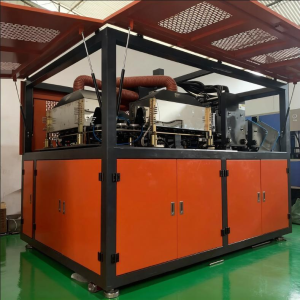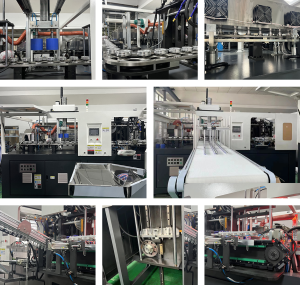
PET Blow Molding Machine Internal Coating Technology: Analysis and Applications
PET blow molding machine internal coating technology is a cutting-edge packaging solution that forms a dense nanoscale barrier layer on the inner wall of PET bottles, fundamentally solving the core flaws of traditional PET bottles such as high oxygen permeability and easy oxidation of contents. This advanced technology can reduce oxygen permeability to less than 1/10 of that of conventional PET bottles, significantly extending product shelf life to 4 to 12 months, perfectly locking in original flavors, and maintaining the freshness and taste of packaged goods.
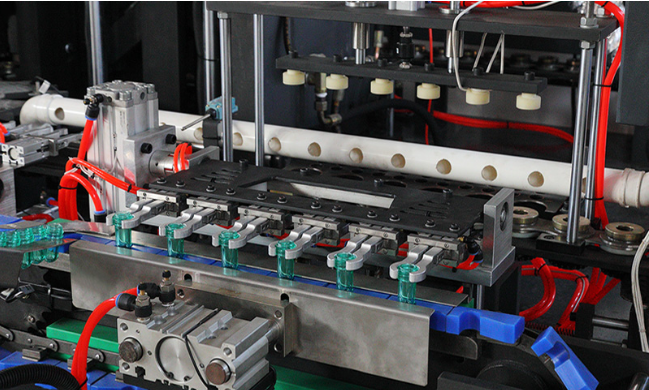
Two Main Types of PET Blow Molding Machine Internal Coating Technology
At present, the mainstream PET blow molding machine internal coating technology is divided into two mature and efficient categories: silicon oxide (SiOₓ) coating and diamond-like carbon (DLC) amorphous carbon coating. Each process delivers stable barrier performance and adapts to large-scale automated production.
Silicon Oxide (SiOₓ) Coating Process
Silicon oxide coating relies on Plasma Enhanced Chemical Vapor Deposition (PECVD), a core procedure of PET blow molding machine internal coating technology. This process deposits a transparent glass-like film on the inner wall of PET bottles, with a thickness of only 0.02 to 0.1 micrometers. The coating boasts excellent oxygen and moisture barrier properties without affecting the transparency and appearance of the bottle.
This coating line supports high-speed continuous production, suitable for PET bottles ranging from 0.2L to 2L, with a productivity reaching 6,000 to 180,000 pieces per hour. It also stands out for its environmental friendliness: during the recycling process, the thin silicon oxide layer can be easily separated by caustic washing, leaving pure PET flakes that can be recycled into new preforms or man-made fibers, fully complying with circular economy principles.
Diamond-Like Amorphous Carbon (DLC) Coating Proces
As another premium form of PET blow molding machine internal coating technology, DLC amorphous carbon coating operates under vacuum conditions. Carbon source gases such as acetylene are injected into the bottle, and microwaves are used to excite plasma, depositing a uniform diamond-like carbon film on the inner bottle wall.
This thin film provides exceptional barrier performance, effectively blocking oxygen intrusion and carbon dioxide escape, making it the ultimate packaging solution for gas-sensitive products that demand strict freshness retention.
Core Applications of PET Blow Molding Machine Internal Coating Technology
Bottles produced via PET blow molding machine internal coating technology feature lightweight design, high barrier performance, shatter resistance and recyclability, making them widely used in industries with strict packaging requirements.
Beer and Carbonated Beverage Industry
This is one of the most important application fields for PET blow molding machine internal coating technology. Traditional PET bottles cannot maintain the fizz and flavor of beer for a long time, while internally coated bottles effectively block oxygen ingress and carbon dioxide loss, extending beer shelf life from a few weeks to more than 6 months. Many international beer brands have launched 330ml and 500ml PET bottles with internal coating, combining the shelf-stable performance of glass bottles with the portability and safety of plastic bottles, ideal for outdoor venues and stadiums.
Juice, Functional Drinks and Dairy Products
Vitamin-rich juices and functional drinks are highly prone to oxidation and deterioration. PET blow molding machine internal coating technology minimizes the loss of vitamin C and other nutrients, preserving bright color and authentic flavor. High-end NFC (Not From Concentrate) juices and probiotic drinks using internally coated bottles can achieve a shelf life of several months under refrigeration, meeting consumers’ dual demands for clean labels and long-lasting freshness.
Edible Oil and Condiment Industry
Edible oil tends to go rancid when exposed to oxygen, and PET blow molding machine internal coating technology greatly slows down this process, ensuring stable quality throughout the shelf life. For high-end oils such as olive oil and walnut oil, as well as oxygen-sensitive condiments like tomato paste and salad dressings, internally coated PET bottles have become the preferred alternative to glass bottles, reducing transportation damage risks and logistics costs.
Wine and Ready-to-Drink Cocktail Industry
Some emerging brands have begun to use 1-liter internally coated PET bottles for entry-level wines and ready-to-drink cocktails. The oxygen resistance of bottles made with PET blow molding machine internal coating technology fully meets the multi-month shelf life requirement of these products. At just 1/10 the weight of glass bottles, they drastically lower logistics carbon emissions and breakage rates, making them perfect for e-commerce sales, airline catering and outdoor travel.
Economic Efficiency and Flexibility of Internal Coating Systems
The fully automatic blow molding machine system equipped with PET blow molding machine internal coating technology features a compact design, focusing on air supply for stretching and pre-blowing processes, while intelligently balancing recycled air and consumed air. Recycled air is mostly reused in these two core procedures, bringing a remarkable return on investment.
Take a typical medium-sized blow molding machine renovation project (such as SBO10/14 model) as an example: the initial investment is only about 20,000 RMB, and the annual cost savings from compressed air consumption can reach 160,000 to 200,000 RMB. The system is highly independent and can switch seamlessly back to the original air supply system in case of failure, with simple installation and strong flexibility, making it an ideal choice for factory energy-saving retrofits.
Conclusion
In short, PET blow molding machine internal coating technology upgrades PET bottles from simple containers to an active fresh-keeping system by endowing them with superior barrier properties, successfully entering the high-end packaging market long dominated by glass and metal cans. With continuous technological advancement and cost optimization, internally coated PET bottles will gain popularity in more food and beverage sectors, driving the packaging industry towards lighter weight, higher performance and greater sustainability.
Interested in upgrading your blow molding line with internal coating technology? Contact our engineers today for a free line evaluation and ROI calculation!